


LumenTale: Memories of Trey Official Review

21 May 2026
Verdict
LumenTale: Memories of Trey has a lot of heart, beautiful visuals, and a creature-collecting system with real ideas of its own. It carves out its own identity away from Pokémon through its story focus and emotional attributes, and for a good while it is a delight. The trouble is stamina: the combat that feels clever early on grows repetitive, the game runs longer than its ideas can sustain, and the late-game stretch tests your patience more than it rewards it.
Category Breakdown
Pros
- Gorgeous art direction blending pixel-art sprites with lush 3D worlds
- A creature-collecting system with its own identity, not just a Pokémon clone
- Heartfelt, story-driven journey with a likeable emotional core
Cons
- Combat grows repetitive well before the end
- Overlong, with a final stretch that outstays its welcome
- Grind-heavy early game and weak onboarding for its systems
- Forgettable soundtrack that fades into the background, sometimes annoying
What’s LumenTale: Memories of Trey#
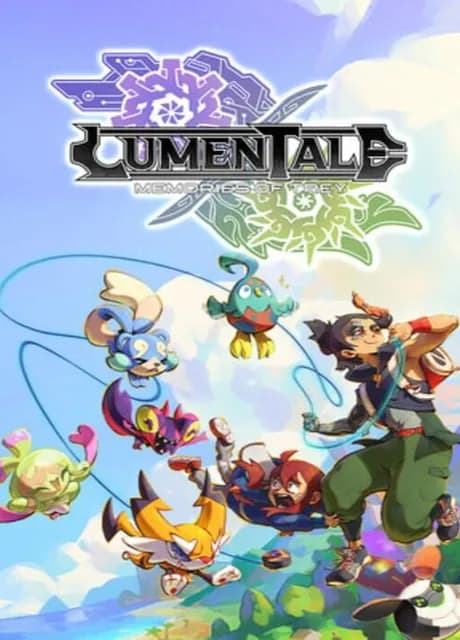
LumenTale: Memories of Trey is a monster collector RPG developed by Beehive Studios. Players follow Trey, who has lost his memories, as he journeys through the enchanting land of Talea.
The game features turn-based combat, exploration of unique regions, emotional storytelling, and a focus on self-discovery, available for Steam and Nintendo Switch.
It clearly draws inspiration from Pokémon, but quickly builds its own identity through emotional storytelling, a deeper combat system, and a beautiful hand-crafted world.
You play as Trey, a young cyborg who wakes up with no memories. As you travel across the enchanting land of Talea, you collect and battle with mystical creatures called Animon, slowly uncovering the secrets of your past and the mysteries of the world around you. The story takes you on a journey of truth-seeking, for both Trey and his companions, where key decisions and flashbacks gradually help him uncover the truth about his past.
Check our First Steps Guide
Visual Style We Loved#
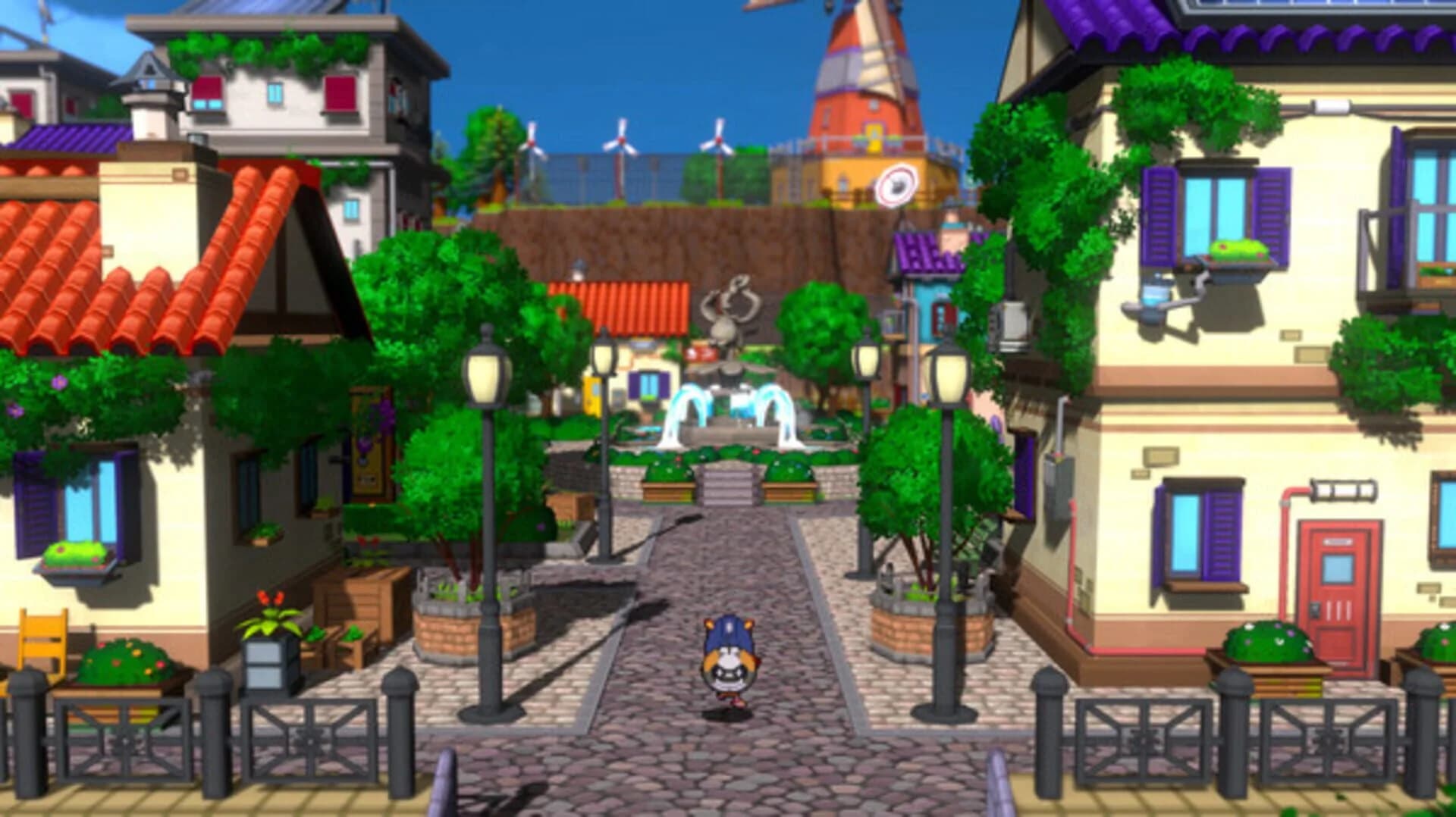
One of the biggest highlights is the art direction. The game mixes pixel-art characters with detailed 3D environments in a way that feels fresh and charming. The pixel sprites have great animations and personality, while the 3D worlds feel alive and full of detail. This combination works surprisingly well and gives LumenTale a unique visual identity.
Combat and Progression#
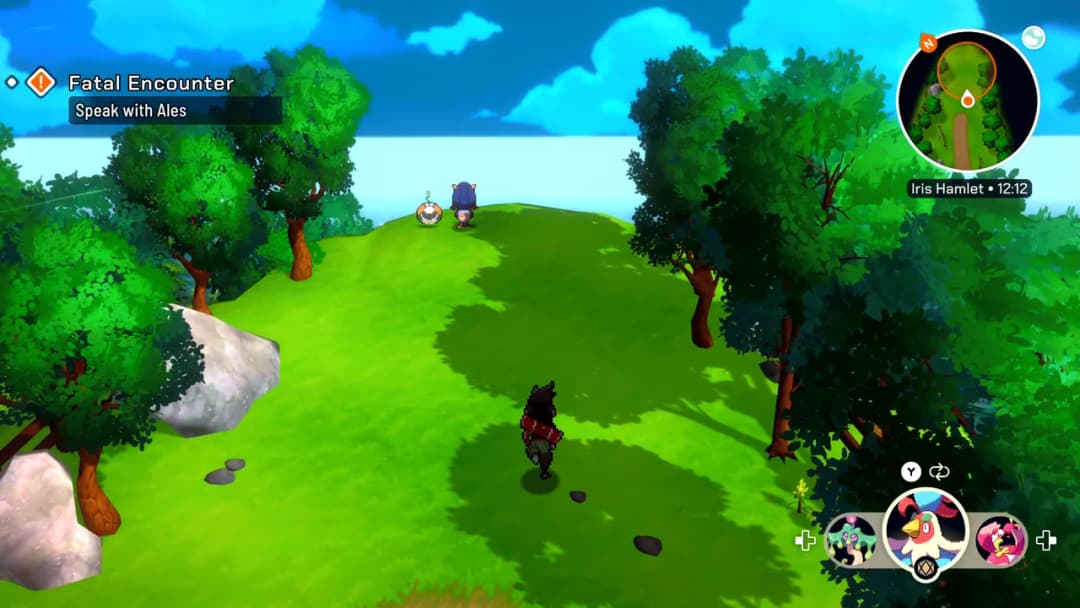
The turn-based combat is engaging thanks to the Scanning mechanic, TP Actions (extra turns from super-effective hits), and smart team management.
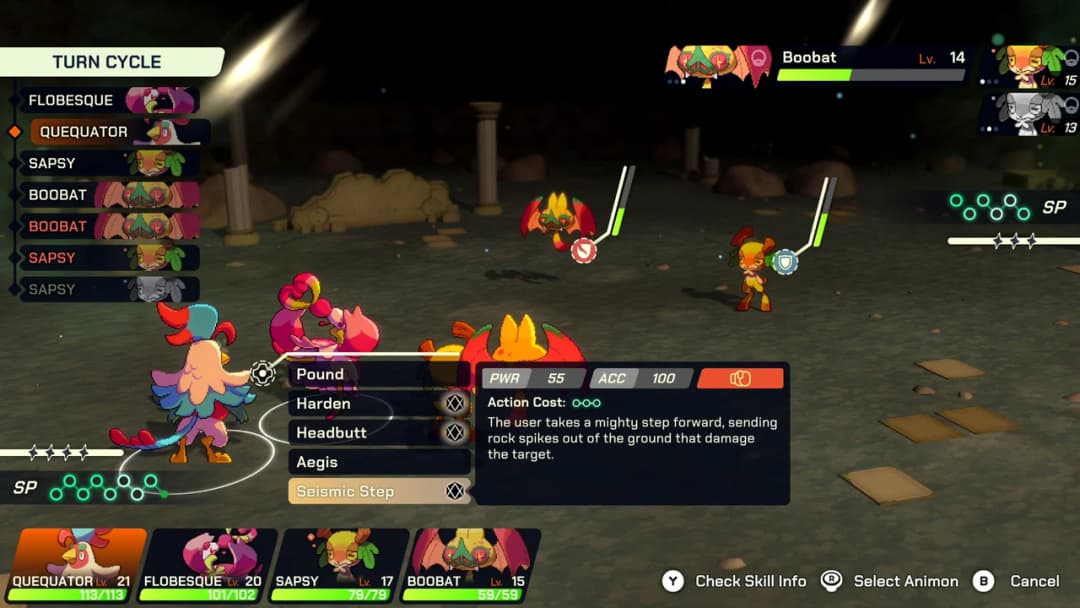
However, the game could do a better job explaining stats, skill management, and team building earlier on. New players might feel a bit lost during the first hours.
There will be zones and areas unreachable. Don’t panic, once you progress into the main quest chain, you will unlock your Animon powers to access them, so you would be likely came back to other areas once you unlock them.
Difficulty & Grinding#
LumenTale has a noticeable difficulty curve. The early bosses are quite tough and will require you to grind wild Animon to level up your team.
This grind-heavy start might frustrate more casual players who prefer a smoother experience. Once you understand the systems and build a decent team, the game flows much better.
Once you get your Animon to +25, the early quests become much easier.
Music#
The music features a classic RPG style with a clear anime touch, featuring upbeat tracks during exploration and more intense pieces in battles. While it’s solid and fits the atmosphere well, it’s not particularly memorable and tends to fade into the background after a while.
The story (Spoilers)#
LumenTale wears its premise on its sleeve: Trey, a cyborg with no memory, wakes up in the woods and sets off across the divided land of Talea to find out who he is. The world is split between Logos, the tech-driven North, and Mythos, the tradition-bound South, a clean backdrop that lets the game pivot between very different cities and tones as you travel.
What keeps it ticking is the search for the Wish, a force said to be able to reshape reality itself, and the slow drip of Trey's returning memories. The writing is at its best in the small character moments between Trey, Ales and Nada, and the city-by-city structure gives each region its own self-contained drama before the bigger picture clicks into place.
That picture comes together in the final stretch, when Blanco, the founder of AARI and Nada's own father, is revealed as the one pulling the strings, set on claiming the Wish for himself. Where LumenTale gets bolder is with Trey's memories: without spoiling the specifics, the flashbacks reveal that time travel is at the heart of his story, recasting the amnesia setup as something stranger and more ambitious than it first appears. It is a swing worth applauding, even if the game fumbles the delivery a little. The big reveal is staged in a way that is genuinely confusing in the moment, muddying who did what and when, and it took me a beat to piece together what the game was actually telling me. The intent is clever, the execution slightly less so.
The resolution leans into the game's central theme, choosing the present over the past, and there are branching outcomes depending on decisions you make along the way, which gives the ending a personal weight that a lot of creature-collectors never bother with.
The long haul#
The problem with LumenTale shows up in the back half. What feels fresh and charming for the first dozen hours starts to wear thin once you settle into the rhythm. The combat, engaging as its systems are on paper, leans on the same patterns far too often. By the time you reach the later cities you have seen most of what the battle system has to offer, and the encounters start to blur together: scan, exploit the weakness, trigger your TP actions, repeat.
It does not help that the game is long. Generously long. There is a good 30-hour RPG buried in here, but LumenTale asks for considerably more than that, and the pacing in the final stretch does not earn the extra hours. The story keeps pulling you forward, yet the moment-to-moment grind starts to feel like a chore rather than a reward. I went in loving it and came out the other side a little worn down, which is a shame, because the foundations are genuinely good.
Final Thoughts#
After 40 hours and a finished save, my feelings on LumenTale land somewhere warm but tempered. Beehive Studios got the hard part right: it has real heart, a gorgeous pixel-and-3D art style, and a creature-collecting system that stands on its own rather than coasting on Pokémon comparisons. For a good chunk of the journey, it is a genuine delight.
What holds it back is stamina. The combat that feels so clever in the opening hours settles into a routine, the story runs longer than its ideas can carry, and the final third leans on grinding more than it earns your time. The ambition is there, especially in how the plot handles Trey's past, but the pacing keeps the whole thing from reaching the heights it clearly reaches for.
If you love the genre and have the hours to give it, there is a charming, heartfelt RPG here well worth your time. Just go in knowing it asks a lot of you, and that the back half never quite recaptures the spark of those first cities. A promising debut that would have been stronger at two thirds the length.
Review code provided by the publisher
Comments
No comments yet. Be the first to share your thoughts!