© 2026
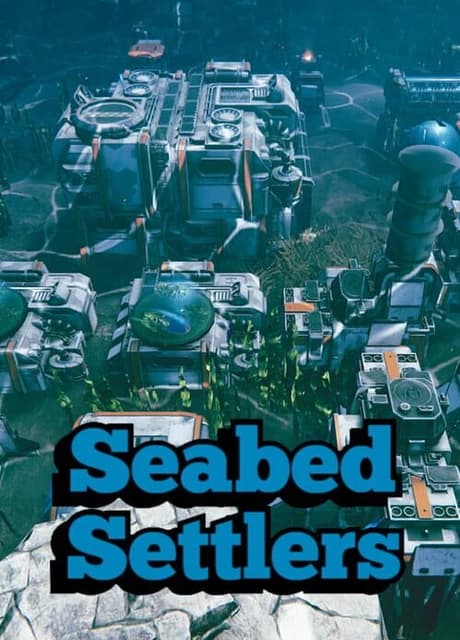
A citybuilder inspired by classics such as Ceasar III, Anno, Pharaoh and others which takes place the bottom of the ocean. The surface has become uninhabitable and raybomb radiation has turned many into mutants. It is your job to set up your underwater empire and guide new humanity to greatness!
Seabed Settlers is a deep and layered city-building strategy game set beneath the waves of a ruined Earth — inspired by classics such as Caesar III, Pharaoh, and Anno.
Humanity has escaped the uninhabitable surface, now scorched by radiation, and seeks to rebuild beneath the sea. As the Overseer, you are entrusted with the survival and prosperity of one of the last hopes for civilization. Build habitats, sustain life, grow your economy, and defend your underwater colony against the pressure — and dangers — of the deep.
Each mission begins on a detailed underwater map with its own terrain, resources, and challenges. You’ll construct habitats, secure oxygen and food supplies, and develop vital infrastructure to keep your citizens alive. Oxygen is your inhabitants primary need: Without managing it properly Oxygen stores run out and your people will asphyxiate.
Once stability is achieved, expand your economy, establish trade routes, and manage production chains to turn survival into prosperity.
Play in real time with full pause control, just like the classic city-builders that inspired it. Achieve diverse victory conditions — from reaching target populations or prosperity ratings to securing key goods or defending against attacks — before moving on to new maps with different conditions and available resources.
Seabed Settlers draws from the golden age of city-building — games that emphasized planning, balance, and interdependence. Structures evolve as needs are met, and immigration flows based on reputation and stability.
A well-run city flourishes; a mismanaged one can spiral into collapse.
Your workforce is divided into tiers — Settlers, Colonists, Freemen, Citizens, and beyond — powering every life-support, utility, factory, and defense system.
When labor is short, critical services can fail: fisheries go idle, fire stations go unmanned, and your settlement becomes vulnerable.
A dedicated labor priority menu — inspired by Caesar III — lets you decide which sectors remain active when times get tough.
One of the things we do differently is that Seabed Settlers has a system for permanent upgrades. Upon completing a mission you can choose 1 out of 3 random upgrades, from a pool of over 20 roguelite-style improvements.
These upgrades can be increased oxygen production, unlocking statues, increased turret health, faster working engineers and many others. All of these stack and can be unlocked multiple times and help you in each subsequent campaign mission. This functions as a tech tree of sorts as well, making each campaign playthrough a different experience.
Begin your journey by constructing habitats, oxygen systems, and fisheries — the essentials of life beneath the sea.
Then dive into the economy: gather resources, build production chains, and export goods for profit. Some materials aren’t found locally; you’ll need to import rare goods through your Import Centre and distribute them via warehouses and markets.
Balance is everything. Expanding too quickly without proper infrastructure leads to shortages, breakdowns, or disaster. The key to success is careful, deliberate growth — building stability before reaching for prosperity.
Supply chains in Seabed Settlers are fully interconnected. Fisheries and oxygen generators feed the warehouse, markets deliver goods to habitats, and more advanced production follows multi-step processes.
For example: grow SeaWheat on marine farms, bake it into SeaBread in vent-powered bakeries, and distribute it to citizens or export it to neighboring colonies.
Trade is central to progression — harvest resources, refine materials, import what you lack, and export surplus to fund expansion. Defense systems like Torpedo Launchers help secure trade routes and keep commerce flowing.
Life underwater is fragile. Fire, disease, flooding, and structural collapse are constant threats. Build specialized facilities to maintain order and safety:
Environmental hazards — including seismic events, hull breaches, and deep-sea fauna attacks — can cripple unprepared settlements. Your infrastructure and workforce stability directly affect how well your colony endures the deep’s many dangers.
Survival isn’t just about food and oxygen. The oceans teem with new dangers — from radiation-born mutants to pirate submarines and hostile deep-sea creatures. Some missions demand strategic defense planning, resource prioritization, and quick emergency response.
Properly maintained defenses and efficient logistics are the difference between a thriving colony and tota
English
No reviews yet. Be the first to share your thoughts!
Write a ReviewNo discussions yet. Be the first to start a conversation!