© 2026
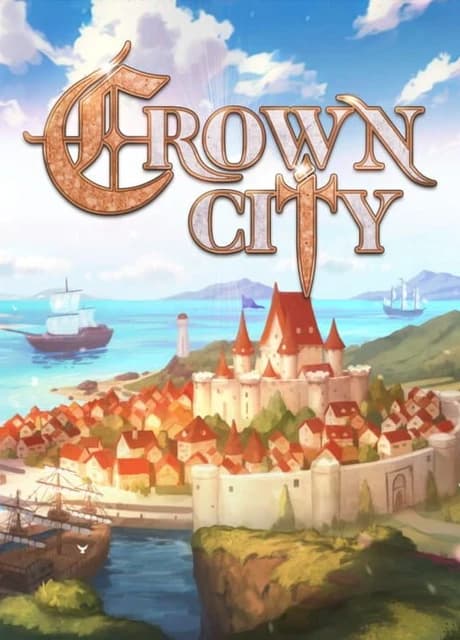
Building and managing a late medieval city is a series of challenges. Build wells to provide drinking water, markets to provide bread and food, and theaters to collect performance tax. Stage mode continues an interesting story and journey, random map mode fills each game with a new experience.
Embark on a journey following a protagonist, a lord in the late medieval Holy Roman Empire. As a vassal under Duchess Konstanze of Dithmarschen, you’re tasked with developing an undeveloped fiefdom, adhering to feudal contracts. Face challenges like interference from neighboring territories, harsh natural environments including severe winter cold, and the relentless demands of your residents. Improve the city’s financial status by developing housing, selecting appropriate tax policy options, and processing and exporting abundant raw materials for profitable trade.
The castle encompasses a designated range around it, constituting the Castle Area. This area includes the natural environment and geography, as well as buildings, population, and dynamic pedestrian traffic. Based on the area's natural environment and the characteristics of the constructed buildings, you can enhance the castle's production by choosing specialized annex facilities that complement the surroundings, and convert this output into scientific research points or additional gold income.
Castle annex facilities refer to the various options that can be chosen for each castle. These facilities determine how natural geographic features, environmental tiles or building tiles, as well as the population or pedestrian traffic within the castle area, can be converted into castle yields. For example, you might receive a fixed castle yield bonus in rocky hill geographic environments, bonus yields for every library building within the castle area, or additional bonuses from water tiles like seas or rivers. Choose the right annex facilities for your castle based on the natural environment and geographical characteristics, aligning with the traits of the constructed buildings in the area, to maximize your benefits.
Wealthier residents in higher-tier houses pay considerably more taxes. Construct castles and tax offices to effectively tax these residents.
Finely tune your city’s tax system with various available tax policy options. Strategically combine different city tax policies to achieve a synergistic effect in your fiscal strategy!
You can levy a range of special taxes, including property tax, population tax, luxury goods tax, theater performance tax, music hall performance tax, art transaction tax, and environmental proximity tax. Beyond collecting taxes, you can accelerate operations in production, industrial, and port facilities by providing subsidies. If funds are lacking, consider obtaining a loan from the bank!
The game’s economic system involves a complex mix of various factors. Understanding income and expenditure is essential for managing city finances. Use the financial summary report to check if tax administration is aligned with the development level of the city’s housing, whether resident tax income is sufficient, and if buildings too far from the castle are incurring high maintenance costs.
Trade is conducted by accepting export and import offers through the city-wide trade menu. Exotic luxuries, such as spices like pepper or rare items like tea leaves, can be imported individually at each port building.
Sometimes, highly profitable special export opportunities arise. Don’t miss the chance for your city to earn significant revenue!
The game cycles through four seasons: spring, summer, autumn, and winter. With the arrival of winter, the cold intensifies, and the need for winter resources increases. Failing to adequately prepare during the warmer seasons can lead to falling down of the city due to the harsh winter conditions.
There are 9 religions featured in the game. Catholicism, Protestantism, Reformed Church, Episcopal, Orthodox Christianity, as well as Arboreal, Stella, Flamma, and Sorcery You can choose and designate any of these religions as the state religion for your territory. Each religion has its own unique religious policies and effects.
The Medieval Lord faces a significant challenge: Can you protect
English, Japanese, Simplified Chinese, Traditional Chinese, Korean
No reviews yet. Be the first to share your thoughts!
Write a ReviewNo discussions yet. Be the first to start a conversation!